Posted: · Updated: · Author: Adam Welch
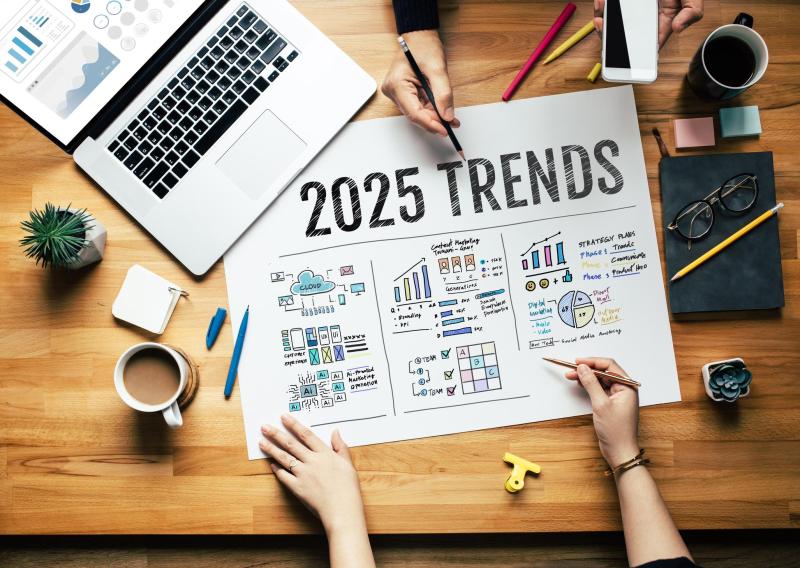
Graphic design is one of the most dynamic and fast-moving creative fields. As technology evolves, so does the visual language of branding, advertising, digital content, and user experience.
In this Article
- AI-Assisted Design (with a human touch)
- Maximalism Makes a Comeback
- Retro-Futurism + Y2K Nostalgia
- Illustration-First Branding
- Motion Design + Kinetic Typography
- Eco-Conscious + Sustainable Design
- Brutalism + Anti-Design
- 3D Design + Mixed Reality Integration
- Custom Typography + Fonts
- Inclusive + Diverse Storytelling
- Final Thought: Stay Relevant, Not Trend-Obsessed
- Common Questions
Listen to this Article
In 2025, graphic design continues to push boundaries, blending digital innovation, artistic expression, and cultural relevance. Whether you're a business owner looking to refresh your branding, a creative professional staying ahead of the curve, or simply someone fascinated by visual storytelling, here's a breakdown of the latest trends shaping graphic design in 2025.
AI-Assisted Design (with a human touch)
Artificial intelligence has officially gone mainstream in the graphic design industry. From Adobe's Firefly to Figma's AI plugins, tools now offer features like instant background removal, smart object replacement, and even AI-generated concept art. However, AI isn't replacing designers; it's enhancing their workflow. Designers are now using AI to:
- Rapidly generate concept variations
- Automate repetitive layout tasks
- Create mood boards and mockups faster
- Test typography and color combinations instantly
The winning formula? AI + human creativity. While AI handles the grunt work, designers still provide the emotional intelligence, nuance, and brand strategy that machines can't replicate.
Maximalism Makes a Comeback
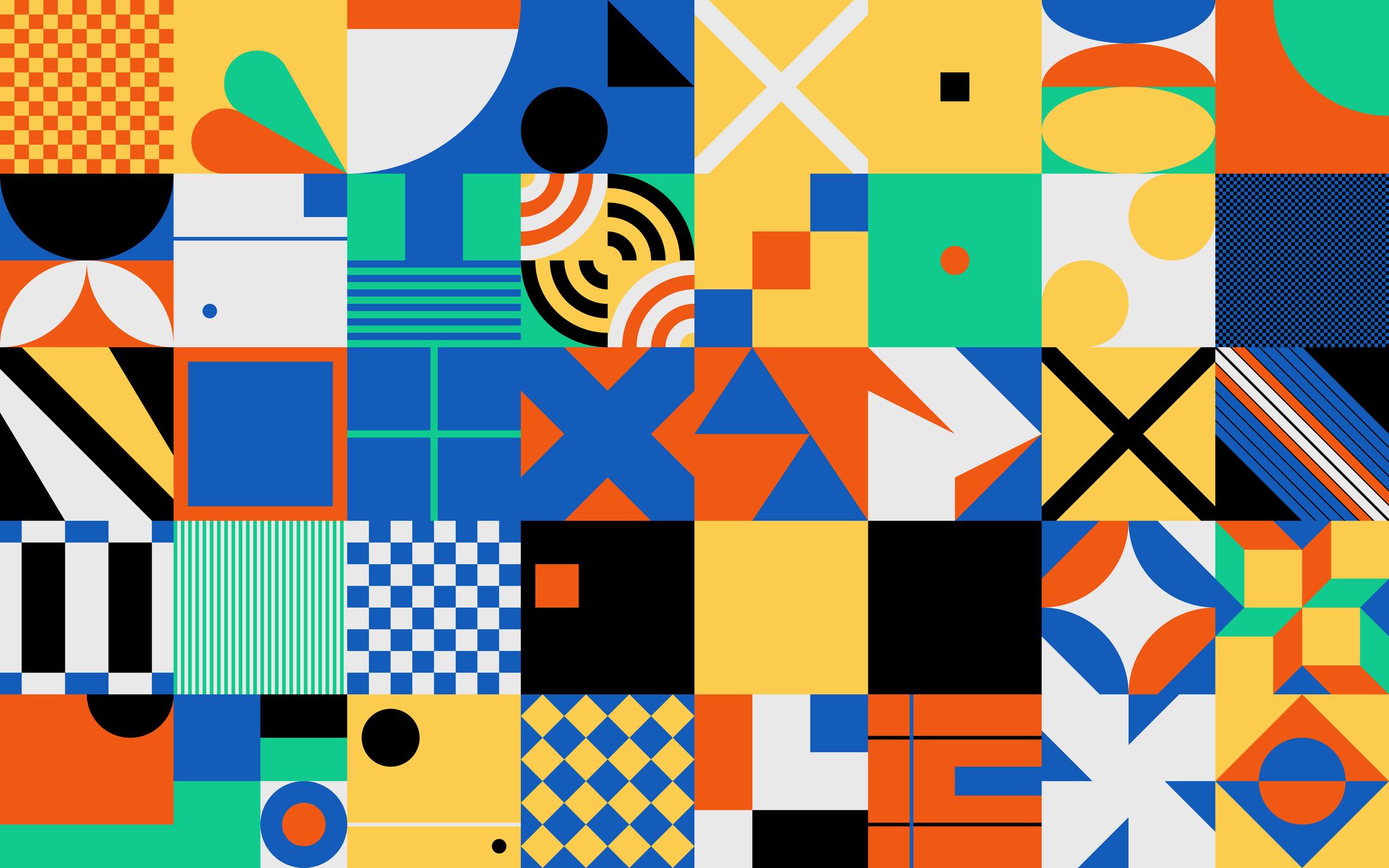
After years of minimalism dominating web and brand design, maximalism is making a comeback. Think bold colors, layered patterns, expressive typography, and visual clutter that feels intentional. This trend is driven by brands seeking to differentiate themselves in an increasingly oversaturated digital landscape. Maximalist design isn't messy, it's strategically busy. We're seeing this in:
- Album art and event posters
- Fashion brands' packaging
- Gen Z-focused websites and campaigns
- It's vibrant. It's rebellious. It breaks the grid.

Ready for the pros?
Learn about hourly support and monthly packages with a team of local professionals. That's right: real people to grow a relationship with.
Retro-Futurism + Y2K Nostalgia

Y2K aesthetics, vaporwave, and retro-futuristic visuals are everywhere in 2025. These styles blend nostalgia with a high-tech twist, featuring futuristic fonts, metallic gradients, neon glows, and lo-fi 3D graphics. We're seeing this trend pop up in:
- Music videos and streaming banners
- Streetwear and lifestyle brand identities
- Tech and gaming UX/UI
Why is it resonating? It taps into emotional memory while embracing bold, energetic visuals. It's especially popular with younger audiences who romanticize a pre-social-media internet era.
Illustration-First Branding
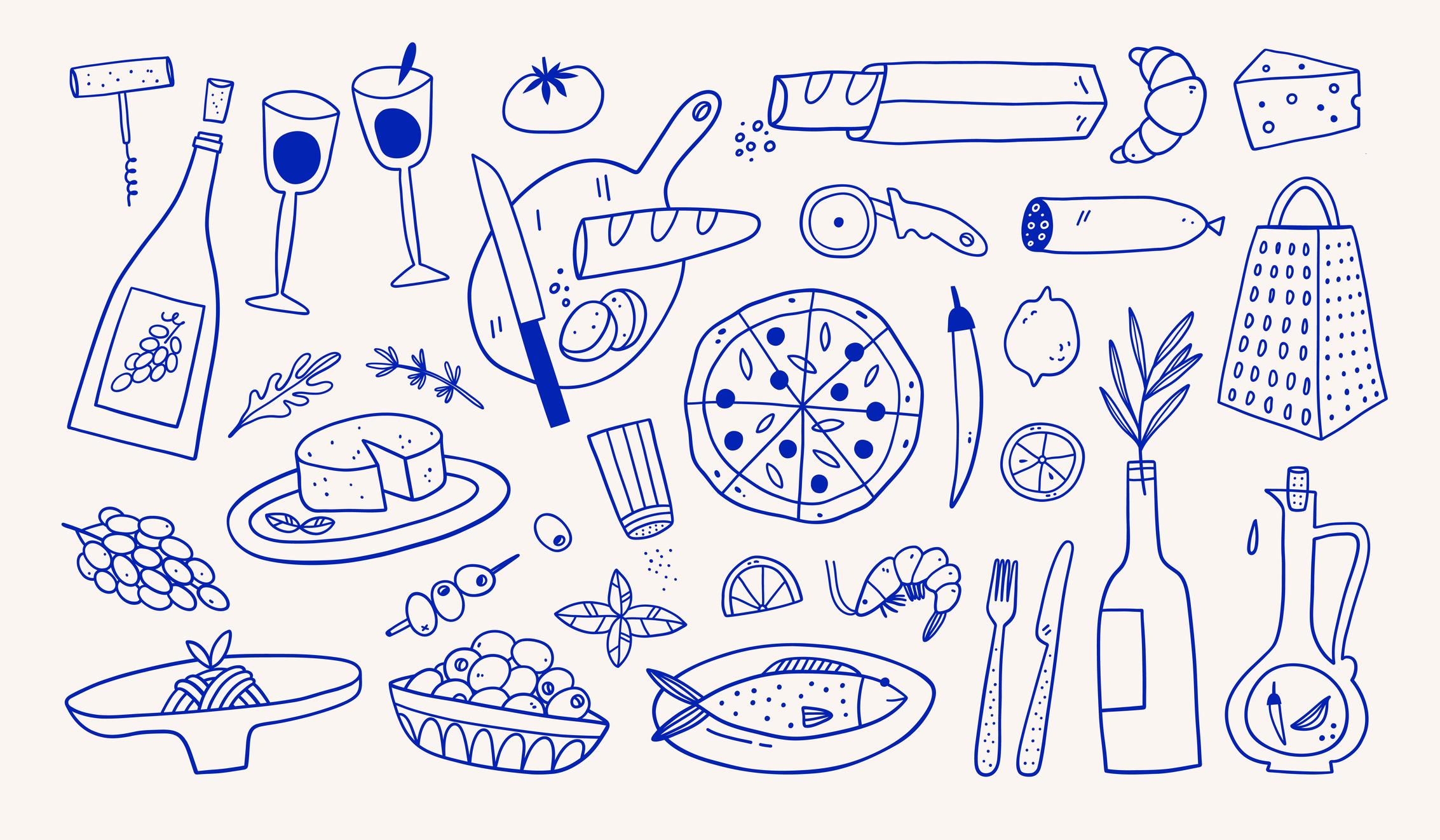
More companies are turning to custom illustration to define their brand identity. While stock photography and sleek minimalism once dominated, hand-drawn and digitally illustrated visuals now help brands appear authentic and relatable. Illustration styles on trend include:
- Playful, cartoon-inspired art
- Line-drawing simplicity
- Surreal and abstract compositions
This trend helps businesses stand out from templated competitors and establish a unique tone of voice, especially in industries such as tech, healthcare, food and beverage, and education.
Motion Design + Kinetic Typography
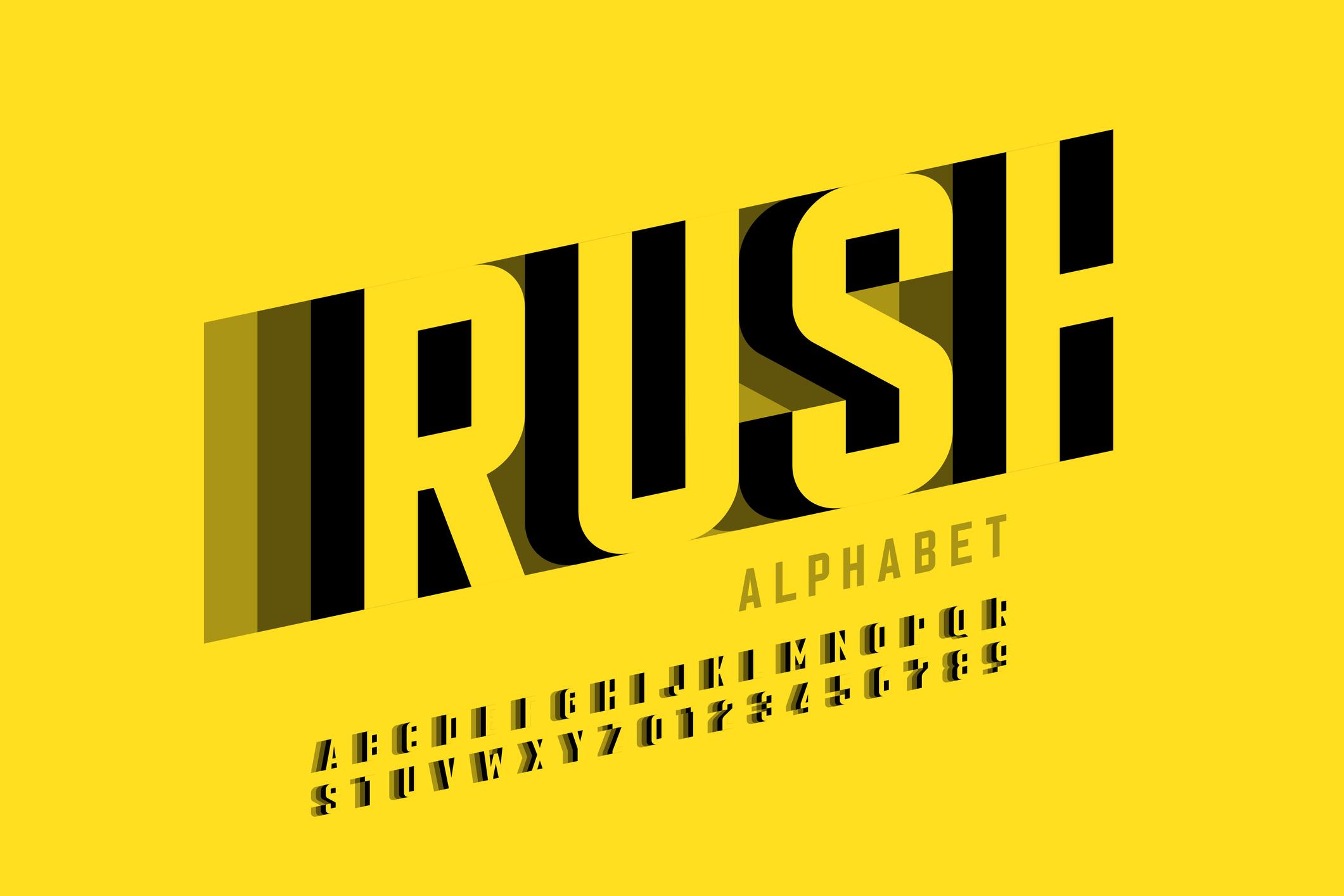
As attention spans shrink and digital content becomes more interactive, motion design is more important than ever. Static graphics still have their place, but kinetic visuals grab attention. Designers are incorporating:
- Animated logos and icons
- Scrolling effects on websites
- Kinetic typography in reels, stories, and ads
Motion helps tell a story quickly and powerfully. Expect to see more brands using micro-interactions and subtle animations to enhance both UX and emotional connection.
Eco-Conscious + Sustainable Design
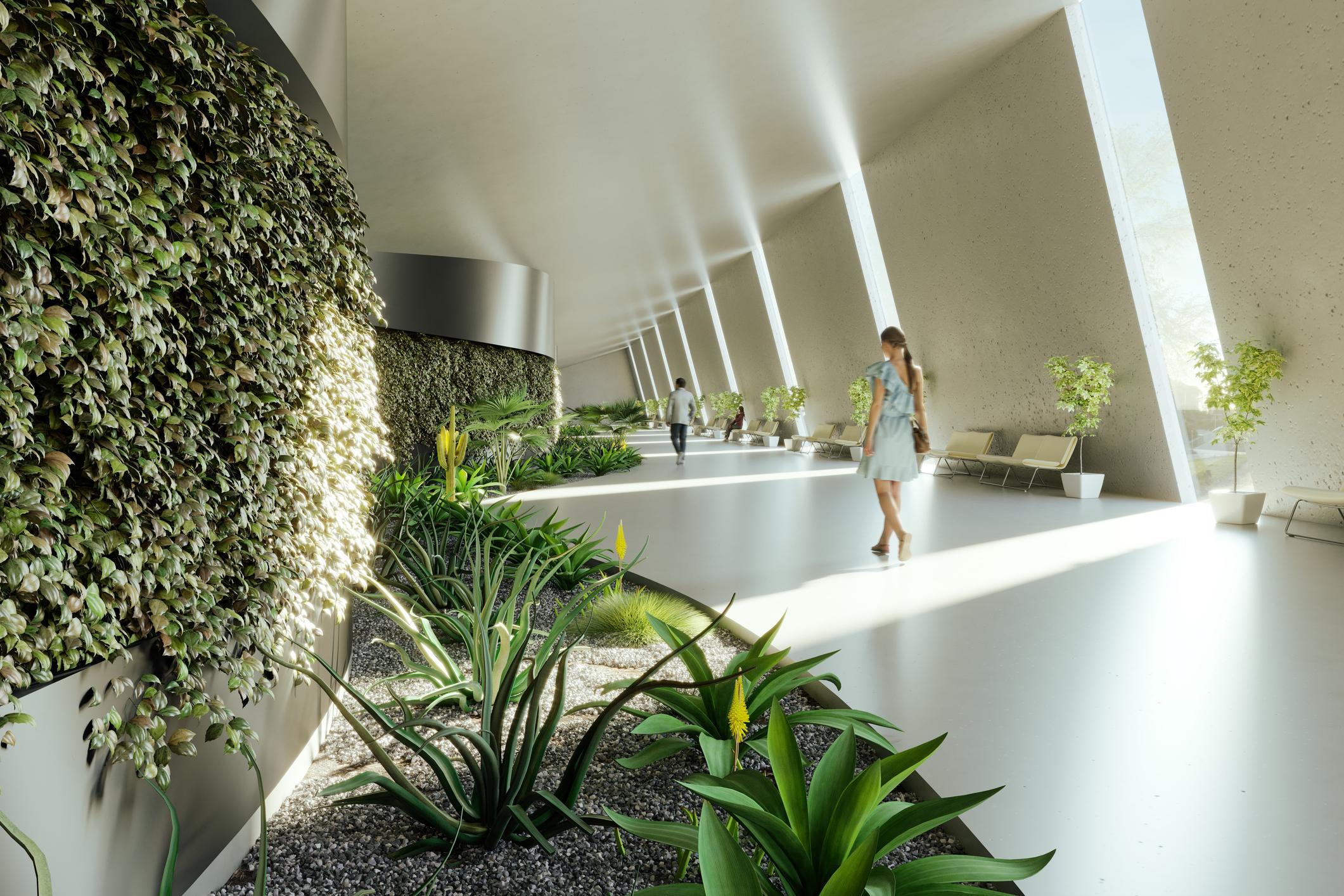
The visual language of sustainability is shifting. Instead of the same old green leaves and earthy tones, today's eco-conscious design uses modern, clean, and tech-savvy aesthetics. Think:
- Soft gradients
- Eco-friendly iconography
- Sustainable print choices (like recycled materials and vegetable inks)
Brands are aligning design choices with values-driven storytelling. And it's not just about visual style, it's about ethically sourced materials, accessible layouts, and inclusive design thinking.
Brutalism + Anti-Design
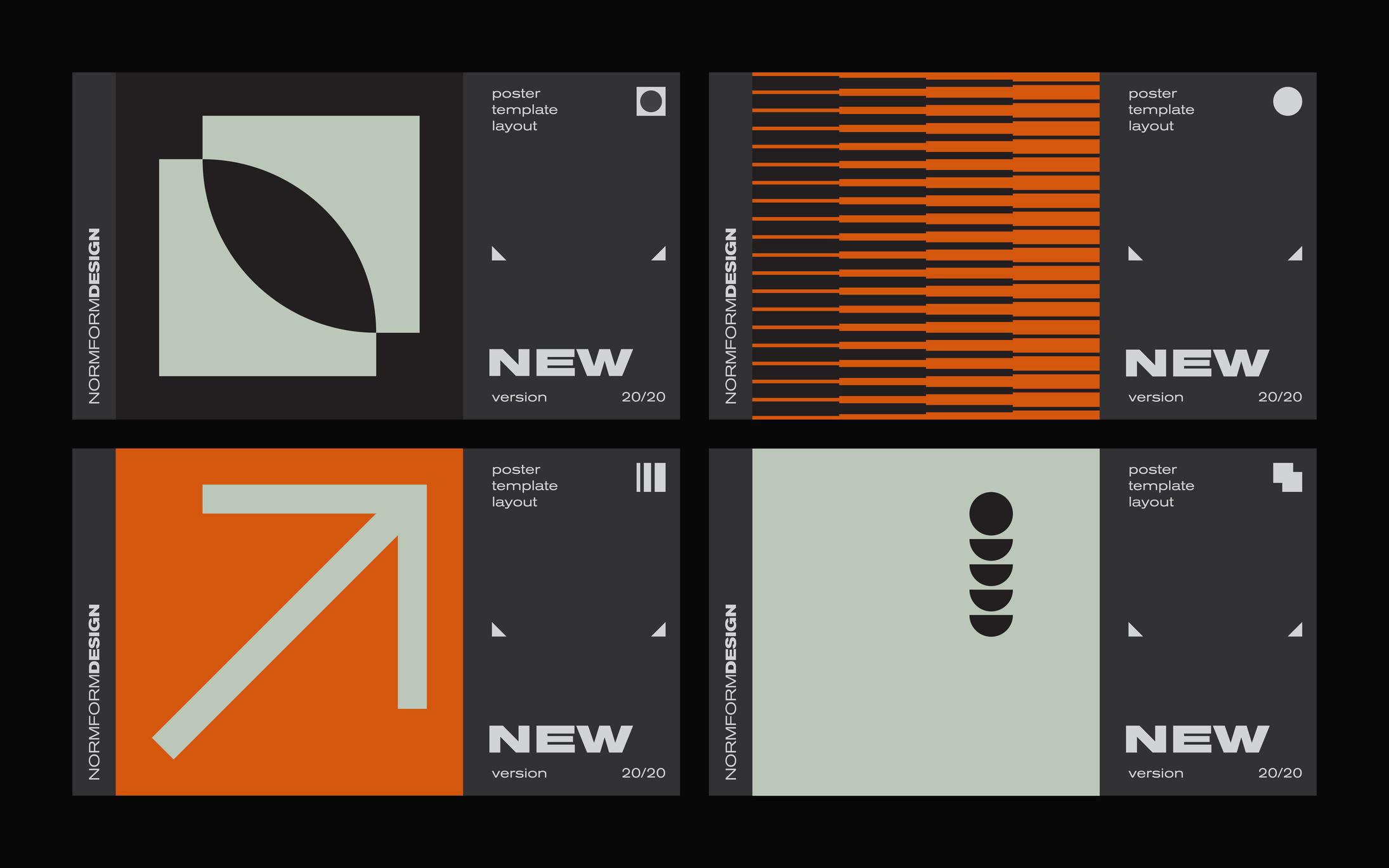
Not for the faint of heart, brutalist and anti-design aesthetics reject polish and embrace raw, imperfect visuals. Born from the desire to disrupt the overly curated feel of modern interfaces, this trend features:
- Harsh contrasts
- Jarring color combos
- Misaligned text and broken grids
Popular in niche fashion, art, and indie media circles, brutalist design is purposefully provocative. When done well, it grabs attention and communicates attitude and boldness. But it walks a fine line between edgy and inaccessible.
Ready for the pros?
Learn about hourly support and monthly packages with a team of local professionals. That's right: real people to grow a relationship with.
3D Design + Mixed Reality Integration

With AR and VR becoming more mainstream, 3D design is evolving from a novelty into a core part of branding and product design. In 2025, we're seeing:
- Hyper-realistic product mockups
- Surreal 3D characters and abstract forms
- 3D-integrated web experiences and virtual showrooms
Tools like Blender, Spline, and even Adobe Dimension make it easier than ever to bring 3D elements into everyday brand communications.
Custom Typography + Fonts
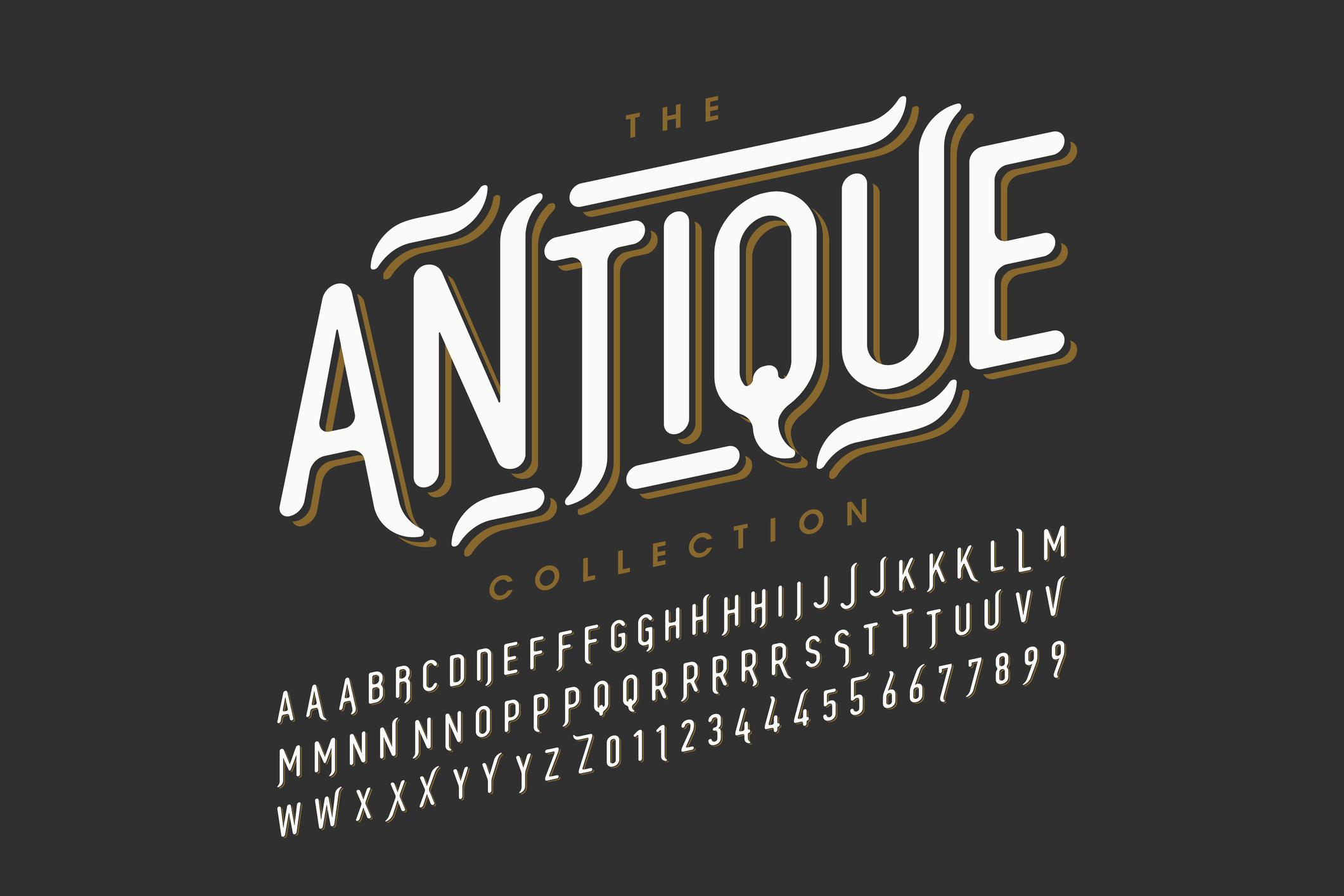
Typography is going through a renaissance. While clean sans-serifs still dominate UI design, creative brands are embracing custom, expressive fonts to make their visual identity unforgettable. Current font trends include:
- Variable fonts that animate or respond to motion
- Retro-style typefaces inspired by the 70s - 90s
- Playful hand lettering for editorial and brand work
Type is no longer just a container for words; it's a visual centerpiece in its own right.
Inclusive + Diverse Storytelling

Representation matters. In 2025, designers are making more intentional choices about who and what is seen in brand visuals. Inclusive design goes beyond checking boxes.
- Using diverse skin tones, body types, and abilities in illustrations and photos
- Designing for neurodivergence and accessibility
- Creating culturally sensitive visuals for global audiences
Designers are also becoming more thoughtful about language, iconography, and symbolism to ensure that visuals are welcoming and authentic across diverse demographics.
Final Thought: Stay Relevant, Not Trend-Obsessed
Trends offer inspiration, but the most successful graphic design still comes down to clarity, emotion, and purpose. You don't need to chase every trend. The best approach is to selectively integrate elements that support your brand's voice and audience expectations.
Whether you're launching a product, rebranding a company, or simply refreshing your website, keeping an eye on where design is headed can help you stay relevant, memorable, and impactful.
Need help navigating these trends for your business? Hemisphere Design can help you turn trends into timeless brand assets. Let's talk.
Was this article helpful?
Common Questions
This is one of the most frequently asked questions. Designers and business owners often wonder whether embracing trends will help their brand feel modern or risk looking outdated in a few years. While trends can help a logo appear fresh and relevant, they may lose appeal quickly. A balanced approach (incorporating subtle trends without compromising timelessness) is usually best for long-term brand recognition.
People sometimes ask if they need to update their logo every year to stay current. The answer is no, most successful brands evolve their logos gradually over time rather than making frequent, drastic changes. A subtle refresh every 5 to 10 years is typical. The key is to modernize thoughtfully without losing the essence of the brand.
This question reflects a concern about originality. Some trends (like minimalist icons or geometric shapes) are so widely used that they risk blending into the crowd. To use trends effectively, it's essential to adapt them in a way that aligns with your brand's personality, values, or story. Trends should enhance uniqueness, not dilute it

