Posted: · Updated: · Author: Adam Welch
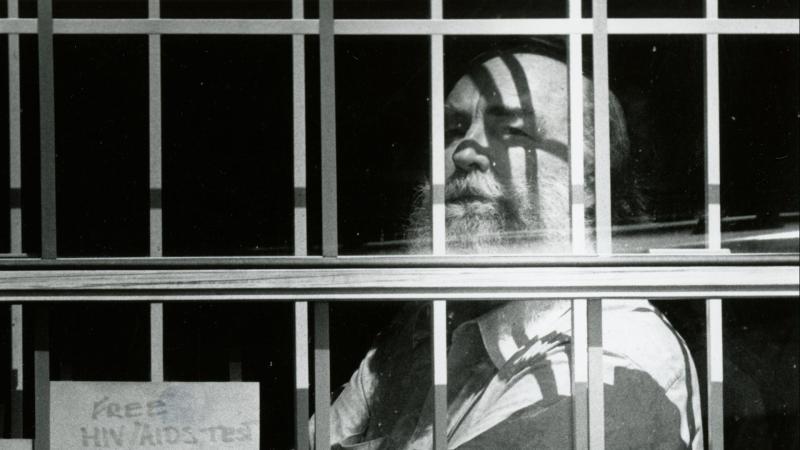
In 1988, while politicians waged a "war on drugs" and HIV ravaged communities across the United States, one man in the Pacific Northwest made a radical choice: to meet people where they were, with compassion instead of judgment.
In this Article
Dave Purchase, a charismatic drug counselor, defied the law, public opinion, and his own safety to hand out sterile syringes on the streets of Tacoma, Washington - launching what would become the first legally sanctioned syringe exchange in North America and igniting the global Harm Reduction Movement.
Never Perfect, Never Over: An Unauthorized History of Harm Reduction tells this powerful, under-told story. Produced by Hemisphere Design & Marketing and Dave Purchase Project, this multi-award-winning documentary takes viewers on a raw, unfiltered journey through decades of activism - revealing how a small group of rebels changed public health forever. Their courage, resilience, and compassion continue to save lives today amid an opioid crisis that claims over 100,000 American lives each year.
Awards + Recognitions
Never Perfect, Never Over has made an impact on the regional film festival circuit. Highlights include:
- Tacoma Film Festival - Audience Award: Best Documentary
- Tri-Cities International Film Festival - Pacific Northwest Filmmaker Award
- Friday Harbor Film Festival - Official Selection
These accolades affirm that the film is not only historically significant but also emotionally compelling and widely resonant. "It's been fun to talk to audience members," said Director Paul Boyer.
"We've met people who knew Dave, or worked with him, who came to the screenings. We met other people in harm reduction who were inspired by the film and felt encouraged to bring this message to more people."
Who Was Dave Purchase?
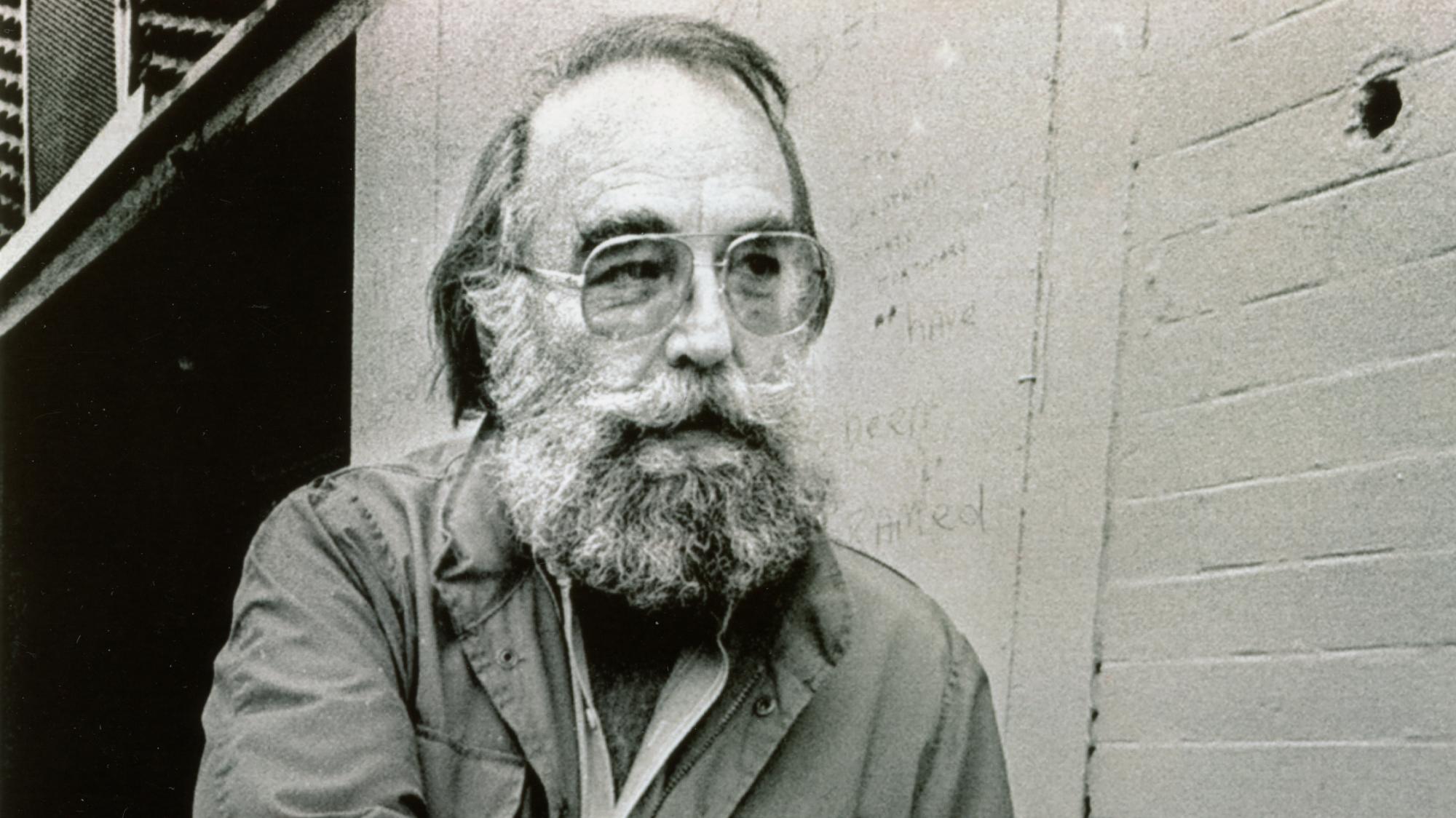
Dave Purchase was a visionary in the harm reduction movement - a drug counselor, activist, and pioneer in public health. Born and raised in Tacoma, he understood his city deeply: its struggles, its neighborhoods, and the people most in need.
As the HIV/AIDS crisis ravaged communities in the 1980s, Dave refused to stand idle. He and his colleagues launched what became the first legally sanctioned syringe exchange in North America. This daring effort defied pervasive stigma and bureaucratic resistance, laying the foundation for modern harm reduction practices.
Dave was more than just a drug counselor - he was a lifeline to many, offering nonjudgmental support at a time when people who used drugs were marginalized and stigmatized by influential politicians and movie stars, all the way down to family members and friends. His peers remembered Dave for his infectious spirit, compassion, and practical activism.
In an obituary for Dave, the National Harm Reduction Coalition emphasized that his bold experiment in Tacoma was not just about syringes - it was about affirming the humanity of people who used drugs. He built community, trust, and infrastructure where none had existed before.
Through Dave Purchase Project, his legacy lives on - not only in the thousands of lives saved by syringe services programs across the country but also in an hour-and-20-minute documentary.

Ready for the pros?
Learn about hourly support and monthly packages with a team of local professionals. That's right: real people to grow a relationship with.
What is Dave Purchase Project?
Dave Purchase Project is the nonprofit organization behind both the documentary and a broader mission: to continue and expand the harm reduction legacy Dave Purchase helped build. Founded in Tacoma, the Project operates through advocacy, education, and community-building - all rooted in the philosophy that people who use drugs deserve dignity, support, and life-saving resources.
Through its work, Dave Purchase Project champions syringe services programs (SSPs), provides technical assistance to emerging harm reduction groups, and preserves the history of the early needle exchange movement. The documentary serves as a flagship storyteller for the Project's mission - ensuring that the origin story of harm reduction gets the recognition and audience it deserves.
Bringing the Story to Life
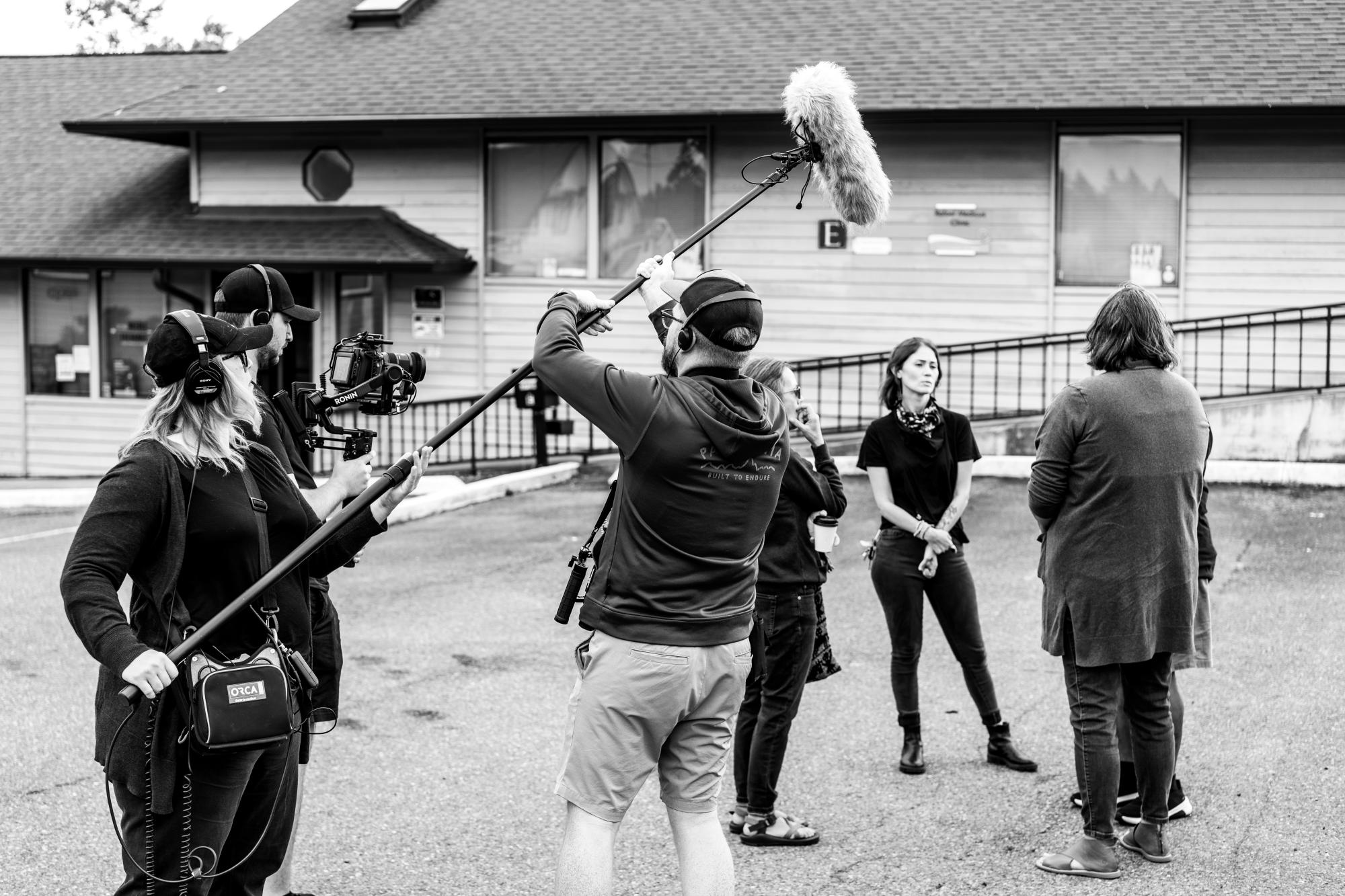
Creating a documentary like Never Perfect, Never Over was no small feat. The filmmaking team at Hemisphere Design & Marketing approached the project with both sensitivity and ambition.
Hemisphere conducted a wide range of interviews - some filmed during the weekend of an international panel event, others recorded in-person in the Pacific Northwest, and still others completed virtually to reach voices across the country and abroad. Each conversation added a different perspective, helping build a fuller picture of the evolution of harm reduction.
To ground the film in its historical context, the team sourced and restored countless archival photos, newspaper clippings, early program materials, and decades-old footage documenting the earliest days of needle exchanges in the United States and abroad.
The documentary also relies on a suite of original data graphics to help viewers understand the broader public-health landscape - from overdose trends to the expansion of syringe service programs nationwide.
Finally, the team brought all the pieces together with immersive music tracks and an intricate sound design. By balancing historical accuracy with emotional potency, the soundscape of Never Perfect shapes the rhythm and tone of the documentary while keeping the focus squarely on the people whose stories drive it.
Capturing the Panel Event
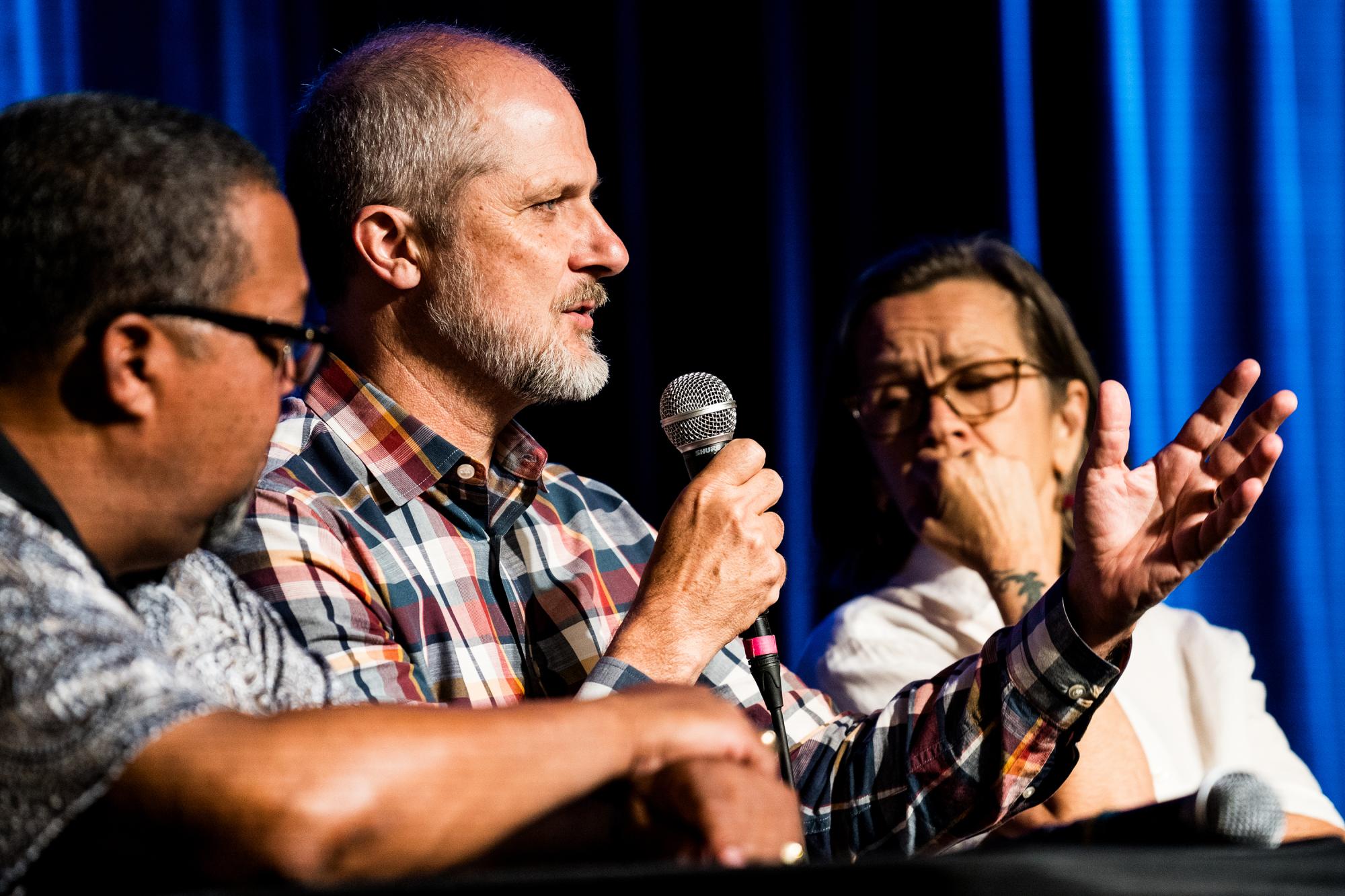
From the outset, the team recognized that a pivotal moment would be the panel event organized to celebrate Dave Purchase's legacy on the 35th anniversary of the Tacoma Needle Exchange. Panelists and notable attendees for the event flew into Tacoma from London, New York, San Francisco, and even Melbourne, Australia.
On the day of the event, they assembled a crew of five: three cameras, sound, and a floater capturing behind-the-scenes moments - from green room conversations to speakers entering the stage. They didn't quite know what they would get, but they were ready.
This gathering not only became the emotional and narrative center of the film, but from a practical standpoint, it provided an opportunity to conduct in-person interviews with some of the most influential international leaders in the Harm Reduction Movement.
Virtual + In-Person Interviews
After filming the panel event, Hemisphere conducted one-on-one interviews with key figures in the harm reduction community. Conducted with sincerity by Director Paul Boyer, these in-person conversations quickly became intimate and emotional, forming the backbone of the film.
"It felt really cool to be able to have those conversations and just connect as a person and forget that the cameras are rolling," said Boyer during a Q&A at the Tri-Cities Film Festival. "That's when the best moments in the documentary happened."
Several of these interviews were conducted via Zoom, bridging continents and generations. The filmmaking team prioritized inclusion whenever possible: despite budget constraints, they reached out to elder activists, people who might be homebound, or whose health was failing.
Importantly, Stephanie Prohaska - co-producer and Director of Operations for the Dave Purchase Project - conducted these Zoom interviews. Her role was uniquely powerful: not only did she have deep relationships with many in the movement, but she also worked to build trust with people who had been burned by prior media projects. Prohaska's authentic curiosity and commitment shone through. When reflecting on the filming experience, Prohaska said, "I've learned more from doing this project than I've ever learned from any public health textbook."
Learn more about the people who were interviewed for the documentary.
Historical Images + Footage
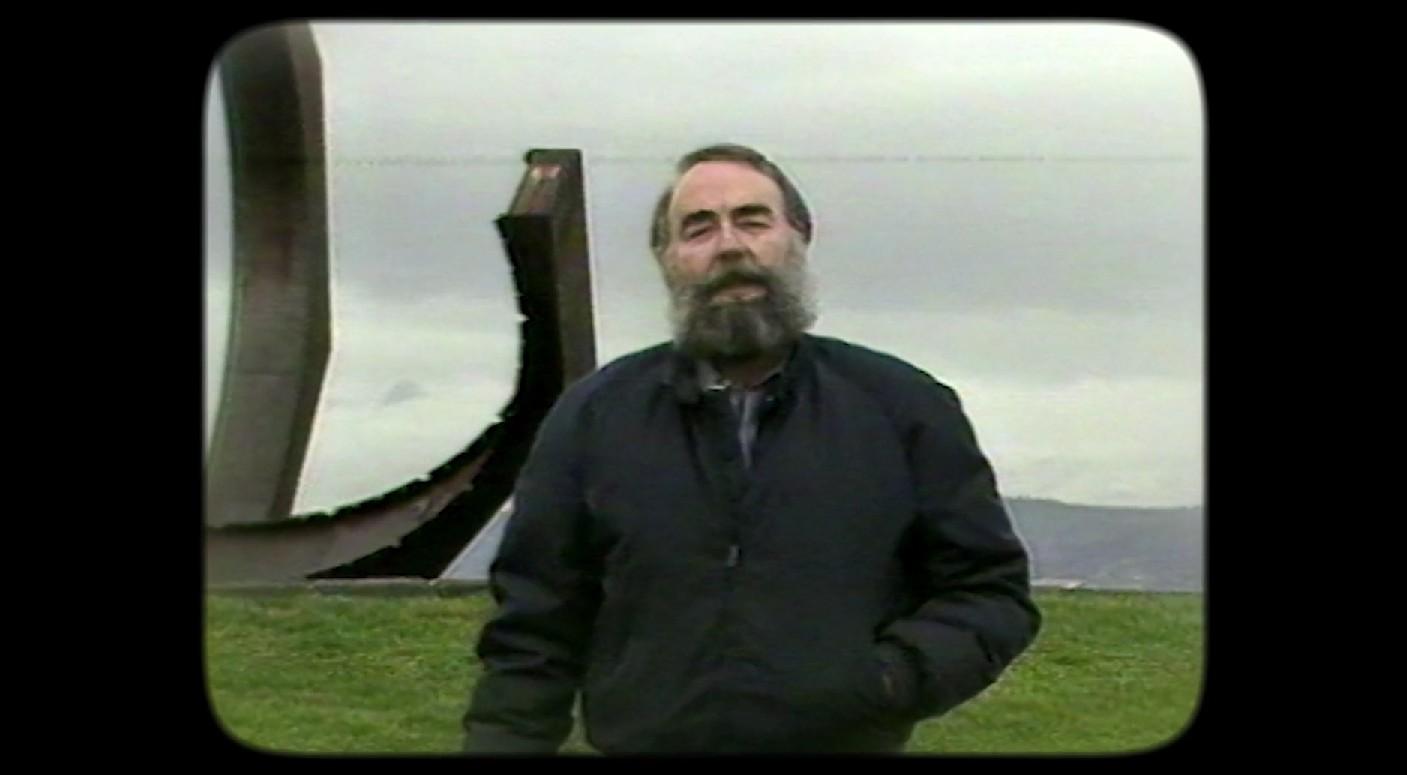
Bringing the early days of harm reduction to life meant digging deep into archival materials. Hemisphere began with memorabilia: boxes of photos, newsletters, VHS tapes, and other documents from the early years of the Tacoma Needle Exchange.
Among these relics was a VHS tape titled An Appeal to Users, produced in 1987 by Dave Purchase himself. In it, Dave spoke directly to people who used drugs about HIV prevention - offering practical advice with warmth, urgency, and, of course, his signature humor:
"If you're not ready to change your habit, then there's two habits you must acquire: safe sex and clean works. If you don't, I'll find you, 'cause I know where you are, and I'll break both your legs."
Beyond self-produced tapes, the team also unearthed rare television footage of Dave. During a Q&A at the Tacoma Film Festival, Co-Editor Kyler Knight said,
"I remember my stomach dropped when I found an old episode of 48 Hours."
The episode, "Drug War on Main Street", which originally aired on CBS News in 1990, featured several interviews with Dave Purchase defending the efficacy and urgency of needle exchange in response to the AIDS Crisis. Importantly, it also featured footage of Dave handing out sterile syringes and condoms on the streets of downtown Tacoma. Knight continued,
"Our team had spent months listening to interviews about what Dave was doing in the early days of the exchange, and, suddenly, there he was - really doing it."
The filmmakers also explored institutional archives: the University of Washington's television libraries and news archives. Newspaper clippings from national and local outlets added texture - headlines, public debates, and the evolving social context of the war on drugs.
Additionally, the documentary benefited from hundreds of photos generously shared by long-time harm reduction activists. Notably, Allan Clear, a longtime friend and colleague of Dave's, contributed archival images; likewise, photographer Nigel Brunson provided powerful, emotionally resonant photos from decades of harm reduction activism. These images, paired with digitized video, gave the film visual depth and historical authenticity.
Ready for the pros?
Learn about hourly support and monthly packages with a team of local professionals. That's right: real people to grow a relationship with.
Integrating Data Graphics
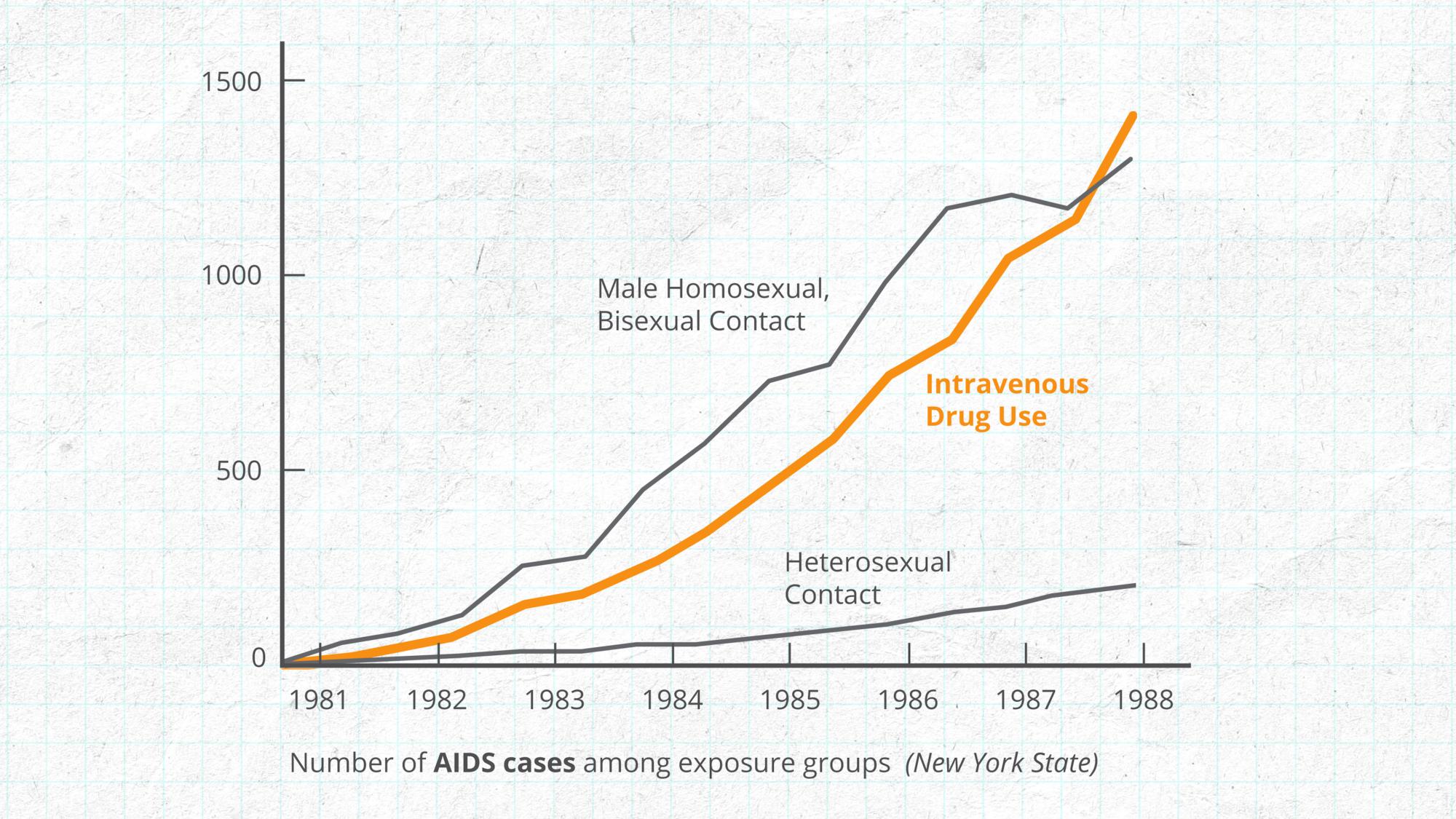
To help audiences grasp the scale and impact of harm reduction, the filmmaking team turned to data visualization. After conducting his interviews, Director Paul Boyer identified key trends and metrics that needed visual support.
Producer Adam Welch, who also served as an animator and graphic designer on the film, recreated existing charts and graphics using Adobe Illustrator, then animated them in Adobe Animate - all with the color palette and fonts of Dave Purchase Project. The graphics help to clarify epidemiological data, show the growth of syringe services programs, and illustrate the life-saving potential of harm reduction over time.
These animations don't just look polished - they serve a narrative purpose. By weaving data into the film in a visually digestible way, the documentary reinforces the argument that harm reduction isn't just morally right - it's empirically effective.
Music + Sound Design
The documentary's soundscape is as eclectic and dynamic as the movement it documents. Co-Editor Kyler Knight intentionally drew away from mainstream '80s synths. Instead, the score reflects the diverse personalities of the people in the film. Knight explained:
"You had Dave with the vibe of an aged hippie, so we have tracks that resemble Pink Floyd, some '60s psychedelic. Others were punks, so we had to throw in some punk rock. There's even a little East Coast hip hop."
This mix of styles - psychedelic, punk, hip-hop - mirrors the radical, anarchic energy of the early harm reduction movement. But the soundtrack doesn't just evoke the past: as the filmmakers toured the film in festivals, it became clear that the hopeful tone was resonating deeply with audiences.
When one festivalgoer asked about the hopeful tone the film maintains despite its heavy subject matter during a Q&A at the Tacoma Film Festival, Paul LaKosky, PhD (Executive Director of Tacoma Needle Exchange and producer on the documentary), responded, "In our line of work, we have no choice but to be optimistic."
Why This Documentary Matters
Never Perfect, Never Over is more than a historical record - it's a call to action. By honoring the pioneers of harm reduction, it provides context for today's drug policy debates and underscores the life-saving potential of syringe services. The film is both a memorial and a manifesto: a tribute to Dave Purchase and his colleagues, and a rallying cry for future generations to carry their work forward.
The narrative bridges past and present, weaving together personal stories, archival footage, data, and emotion - all to show that harm reduction isn't just an ideology. It's a pragmatic, compassionate, proven public health strategy.
Was this article helpful?
Cast + Participants
Director, New York State Department of Health, AIDS Institute's Office of Drug User Health
Allan Clear is the Director of the New York State Department of Health, AIDS Institute's Office of Drug User Health, overseeing programs on overdose prevention, HIV and HCV prevention, and access to medical and mental health care for people who use drugs. He is a former director of the National Harm Reduction Coalition, where he helped shape national drug policy. Throughout his career, he has been a leading advocate for evidence-based approaches to drug user health and public health equity.
Professor of Epidemiology, New York University
Don C. Des Jarlais, Ph.D. is Professor of Epidemiology and of Social and Behavioral Sciences at the School of Global Public Health of New York University. He also serves as the Director of Research for the Baron Edmond de Rothschild Chemical Dependency Institute, adjunct Professor in the Department of Psychiatry at the Icahn School of Medicine at Mount Sinai, and Guest Investigator at Rockefeller University in New York.
Executive Director, Harm Reduction Sisters
Sue Purchase believes that by making drug use safer, we can mitigate overdose, death by overdose, and the spread of AIDS, Hep C, and other blood-borne illnesses. She is passionate about addressing the disparities in services for people who use drugs, especially women and people of color. Sue has twenty-plus years of experience in harm reduction.
Professor, Department of Populations and Public Health Sciences (DPPHS)
Ricky N. Bluthenthal, PhD, is a Professor in the Department of Populations and Public Health Sciences (DPPHS), Vice Chair for Diversity, Equity and Inclusion in DPPHS, and Associate Dean for Social Justice in the Keck School of Medicine at the University of Southern California. His current studies include an observational cohort study on the substitution of cannabis for opioids among PWID.
Honorary Professorial Fellow Nossal Institute, University of Melbourne
Professor Nick Crofts is an epidemiologist and public health practitioner who has been working in the fields of HIV/AIDS, illicit drugs, harm reduction and law enforcement for over 35 years, having previously worked in community health. Nick is working on developing a program of work on law enforcement and public health at the Nossal, with a global focus.
Distinguished Fellow, RTI International
Alex Kral is an epidemiologist and Distinguished Fellow at the nonprofit research institute RTI International. He has been conducting community-based research on drug policy and evaluating harm reduction services for three decades.
Founder & CEO, Connecticut Harm Reduction Alliance
Mark Jenkins, a service connected disabled Veteran of the United States Air Force and Founder / CEO of the Connecticut Harm Reduction Alliance. He has worked in the field of Harm Reduction and Public Health for the past twenty-five years, and has presented nationally and internationally about best practices for working with the drug using community.
Executive Director, Tla'amin Nation, Tahoma Indian Center
Colette August is the Executive Director of Tla'amin Nation's Tahoma Indian Center, where she leads staff, volunteers, and serves as liaison to the board of directors. She founded a Survivors of Suicide support group, helped start Overdose Awareness Day, and created Camp Rosey, a Native-led children's grief and loss program. Colette holds a bachelor's degree and a Master of Public Administration in Tribal Governance from The Evergreen State College and has volunteered with Bridges - A Center for Grieving Children since 2012.
Photographer/Harm Reductionist, Injecting Advice/HIT
Nigel's background in providing and running harm reduction services, and training people to deliver safer injecting interventions in the UK. Nigel has provided photography work for a number of organizations and publications including Harm Reduction International, Harm Reduction Coalition, and many more. He is also a father, husband and all around geek.
Principal, Harm Reduction Consultant, OPEN reSOURCE Consulting
Heather Edney is a principal and harm-reduction consultant at OPEN reSOURCE Consulting, with over 30 years of experience developing services that prevent opioid overdose, HIV, and viral hepatitis. She was executive director of the fourth authorized syringe exchange program in the U.S. and is a founding member of both the National Harm Reduction Coalition and the North American Syringe Network. Heather has served on federal overdose prevention working groups and now provides training, technical assistance, and open-source resources for syringe service programs nationwide.
Member of the House of Rep., 27th District, Tacoma
Dennis Flannigan was a Washington state politician, civil rights activist, and businessman who represented Tacoma's 27th District in the House of Representatives from 2003 to 2011. He played a key role in supporting harm reduction by introducing Dave Purchase to the Pierce County Sheriff, helping gain local approval for Tacoma's newly established needle exchange. Throughout his career, he was known for advocating progressive public health and community-focused policies.
Dave's First Born, Dave Purchase Project
Rebecca Joe Ford, Dave Purchase's daughter and firstborn, volunteered with the Dave Purchase Project, supporting harm reduction services in Tacoma.
Prevention Educator, WNC AIDS Project, Co-founder, Needle Exchange Program of Asheville
Michael Harney is a prevention educator at the Western North Carolina AIDS Project and co-founder of the Needle Exchange Program of Asheville (NEPA), which he launched in 1994 to provide clean syringes before such programs were legal in North Carolina. He is recognized for his non-judgmental approach, advocacy, and efforts to reduce stigma around substance use and HIV, particularly in rural communities. Harney also provides training and education to regional agencies and shares his experiences publicly to promote harm reduction and access to care.
Professor of Epidemiology, Yale School of Public Health
Robert Heimer is a Professor of Epidemiology of Microbial Diseases at the Yale School of Public Health, specializing in the intersection of addictive disorders and infectious diseases. His research spans HIV, hepatitis, overdose prevention, and the evaluation of harm-reduction interventions, including early studies of New Haven's needle exchange program. He also directs Yale's office of the Connecticut Emerging Infections Program, providing expertise in surveillance, prevention, and public health research.
Executive Director, Dave Purchase Project (Tacoma Needle Exchange / NASEN)
Paul LaKosky is Executive Director of the Dave Purchase Project (Tacoma Needle Exchange / NASEN), a major harm-reduction organization based in Tacoma, Washington. He is a cultural anthropologist and public-health researcher who leads frontline initiatives in syringe service and overdose prevention, advocating for non-judgmental engagement with people who use drugs. Under his leadership, the project has expanded interventions including safer smoking supplies, naloxone distribution, and outreach to marginalized communities.
Professor of Public Health, Federal University of Sao Paulo (UNIFESP)
Dr. Fabio Mesquita is a Professor of Public Health at the Federal University of São Paulo (UNIFESP) and a technical officer for HIV and viral hepatitis at the WHO in Jakarta. A globally recognized harm-reduction specialist, he directed Brazil's Health Ministry department of STDs, AIDS, and hepatitis from 2013 to 2016 and developed the country's first city-specific AIDS response. Early in his career, attending one of Dave Purchase's NASEN conferences inspired his work in harm reduction, and he has since contributed to HIV/AIDS programs across Indonesia, the Philippines, and Vietnam.
Associate Professor, San Francisco State University
Dr. Lisa Moore is an Associate Professor at San Francisco State University specializing in harm reduction and social and behavioral theory. She developed a university-level course on harm reduction and was involved with Prevention Point, an early needle exchange program, helping bridge academic research and grassroots activism. She holds a Ph.D. in Community Health Education from UC Berkeley and her current work explores consumerism, public health, and the evolving role of harm reduction within institutional systems.
Director of Operations, Dave Purchase Project (Tacoma Needle Exchange / NASEN)
Stephanie Prohaska is the Director of Operations of the Dave Purchase Project (Tacoma Needle Exchange / NASEN), a major harm-reduction organization based in Tacoma, Washington, where she helps manage harm-reduction programs including syringe services and community outreach. She oversees daily operations, supports program development, and ensures services run efficiently for people who use drugs. Stephanie plays a key role in advancing the organization's mission of promoting health, dignity, and safety in the community.
Dave's Son, Dave Purchase Project
Dylan Purchase, son of Dave Purchase, volunteered with the Dave Purchase Project, supporting harm reduction services in Tacoma.
Co-founder (Retired), Lifesaving & Lifegiving Society (LALS)
After meeting harm reductionist Aaron Peak, she helped launch Nepal's first needle exchange program in 1991, providing sterile injecting equipment and education to people who use drugs. Her work has been foundational in introducing harm-reduction practices to Nepal.
Prof. Emeritus, Sociology & Legal Studies, Univ. of California, Santa Cruz
Craig Reinarman is a Professor of Sociology and Legal Studies at the University of California, Santa Cruz, with extensive experience in drug policy research and law. He has served as a visiting scholar and professor in the Netherlands, consulted for the World Health Organization, and led numerous federally funded research projects. He is the author or co-author of several influential books on drug use and policy, including Crack in America: Demon Drugs and Social Justice, and has published widely in leading academic journals.
Founder/CEO, St. Ann's Corner of Harm Reduction
Joyce Rivera, ABD, MA, is the founder and CEO of St. Ann's Corner of Harm Reduction and a nationally recognized leader in HIV prevention and harm reduction. With over 35 years of experience in program development, social services, and advocacy, she helped found the National Harm Reduction Coalition, NASEN, and the Harm Reduction Care Network of New York. Joyce serves on the 2022 NYS Opioid Settlement Fund, frequently conducts training on harm reduction and social justice, and brings deep expertise in policy, community engagement, and equity.
Health Transformation Consultant, Uncommon Solutions, Inc.
Alisa Solberg ran the Point Defiance AIDS Project in Tacoma, Washington, home to the oldest legally sanctioned needle exchange program in the country. She has dedicated her career to providing harm-reduction services and support to people who use drugs. Under her leadership, the program continues to serve as a model for community-based public health initiatives.
Social Worker (Retired), Harm Reduction Activist
Edith Springer was a pioneering social worker and harm-reduction educator who helped found the New York Peer AIDS Education Coalition. Known as the "goddess of harm reduction," she drew on her lived experience to champion dignity, respect, and love for people who use drugs. She trained countless peer educators and helped build the foundation of the harm-reduction movement in the U.S.
Harm Reduction Manager, Outside In
Haven Wheelock has worked in harm reduction for more than 14 years and currently coordinates Outside In's syringe exchange program - one of the first in the nation and the first to receive public funding. She led the push to expand naloxone access in Oregon, training community members and distributing the medication after successfully advocating for a change in state law. Her efforts played a key role in reducing Portland's heroin overdose death rate by 40 percent in the following year.

